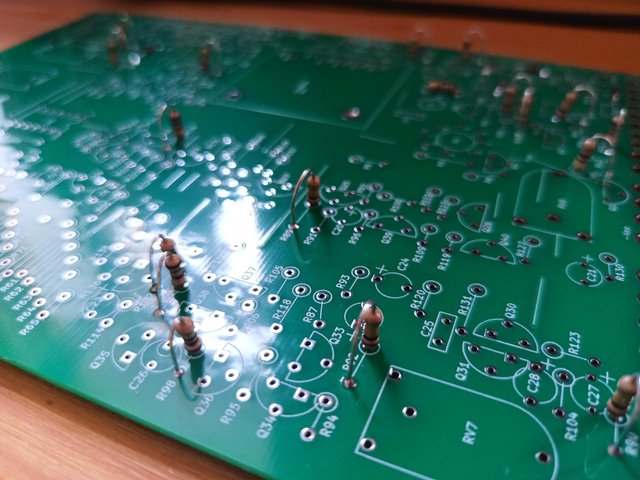
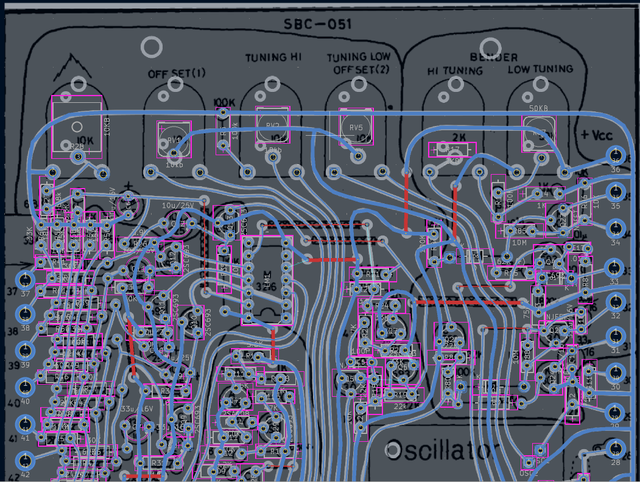
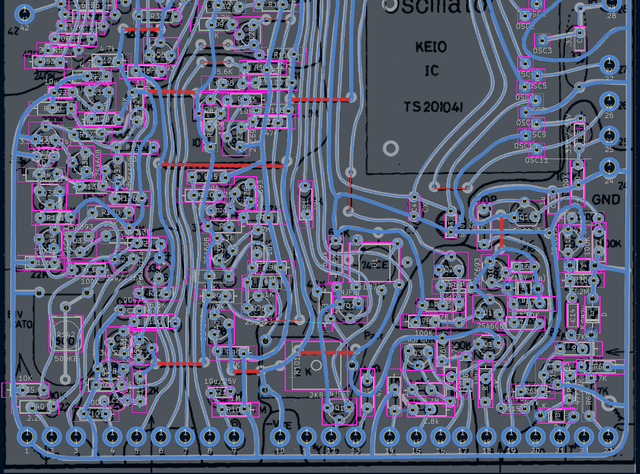
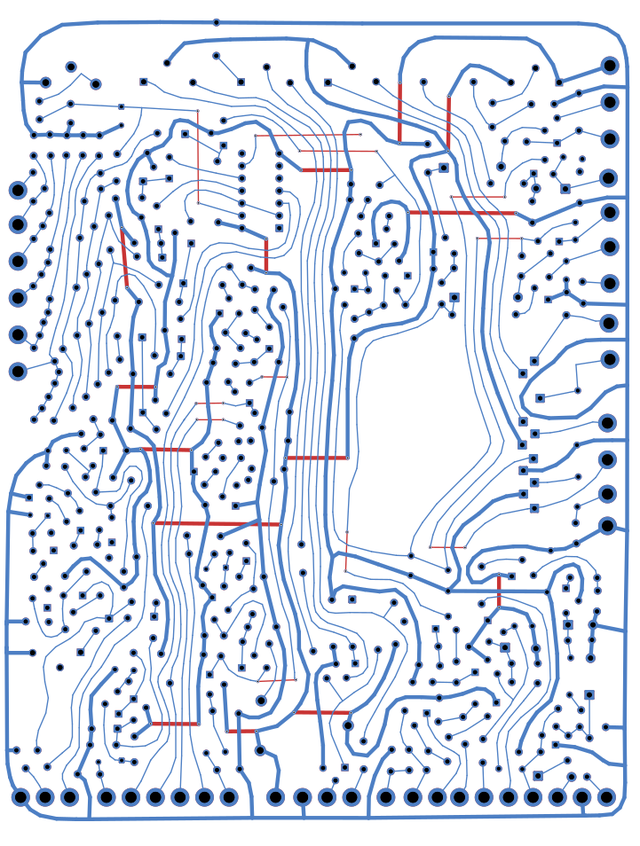
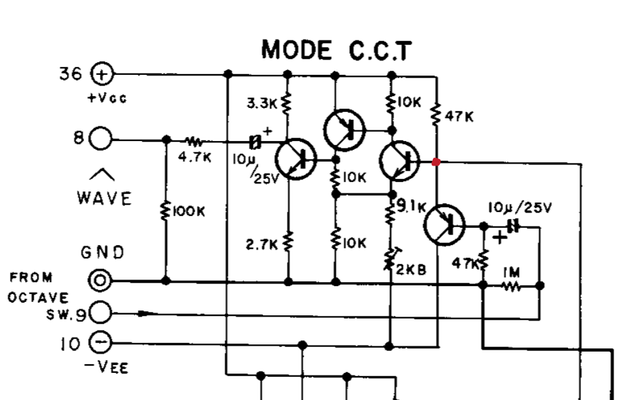
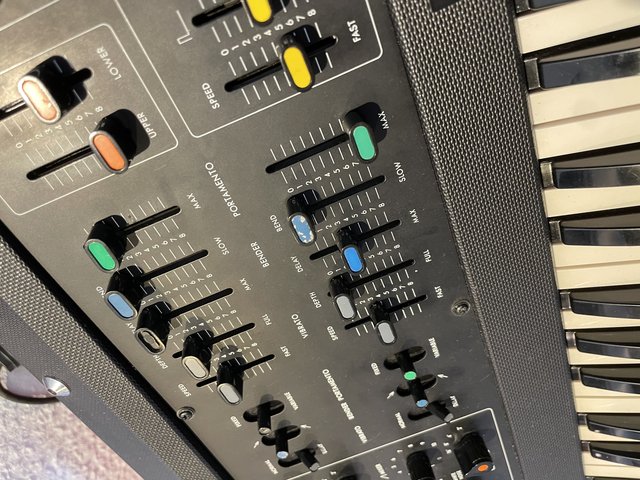
I started soldering the first resistors today. I'm really confident that the board will at least produce some kind of noise when I wire it up for the first time. The one error I found in the schematics worried me so I checked again: both photos and 770 schematics make it clear that there's an error in the 800DV schematics.
I'll have to order capacitors and parts for the oscillator core next. When all components are soldered to the board, I'll hook up some knobs and switches and find out what it'll do!
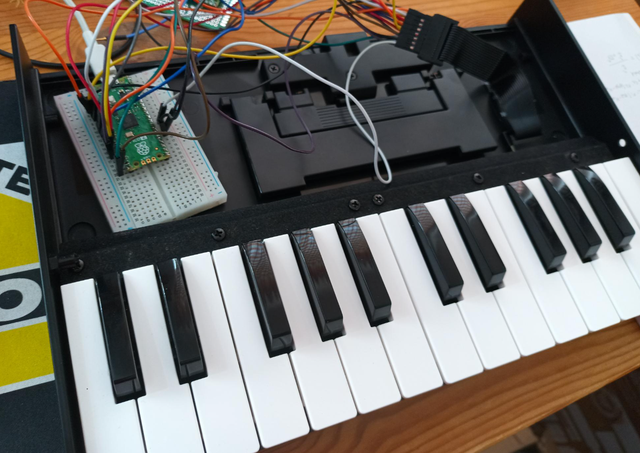
It's true that I'm drowning in unfinished projects but this one was a fun afternoon project. Sometimes I need a small project in between just to get some fresh air and I was missing a good small keyboard for playing small synths anyway. So I ordered a Roland K-25m. It's meant to be used with the Roland boutique series and connects via a 16 pin IDC connector (the same that Eurorack also uses). I found some documentation about it here and decided to pick one up and wire it to a Raspberry Pi Pico:
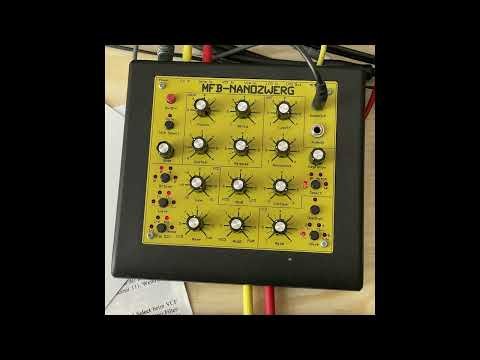
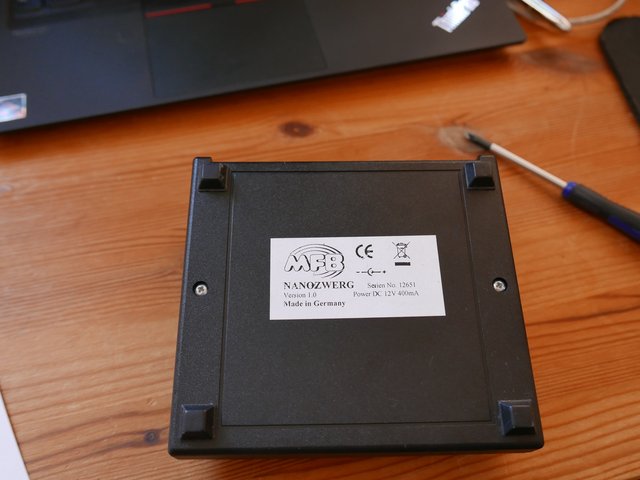
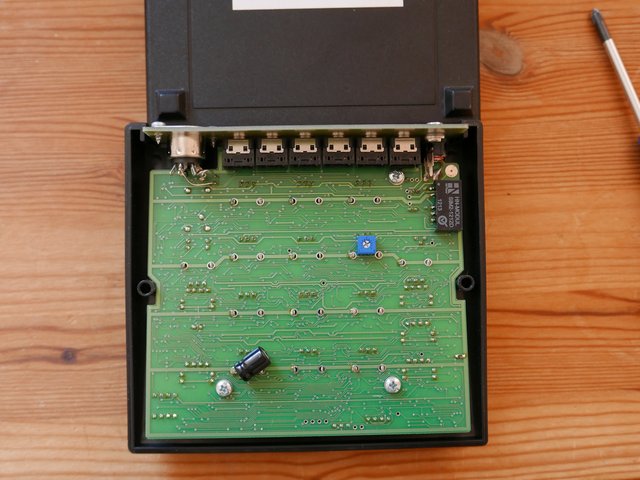
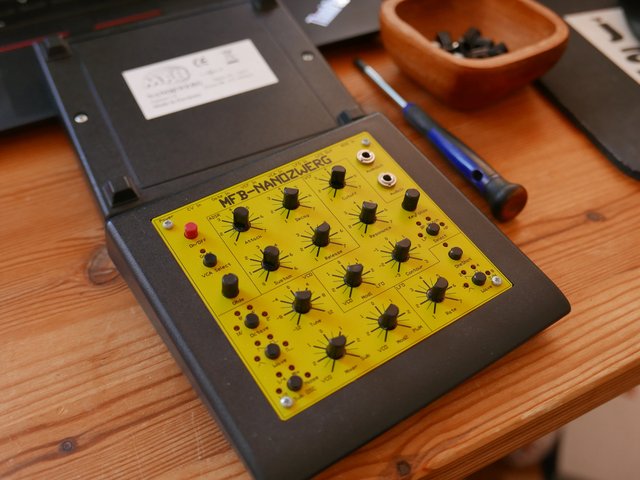
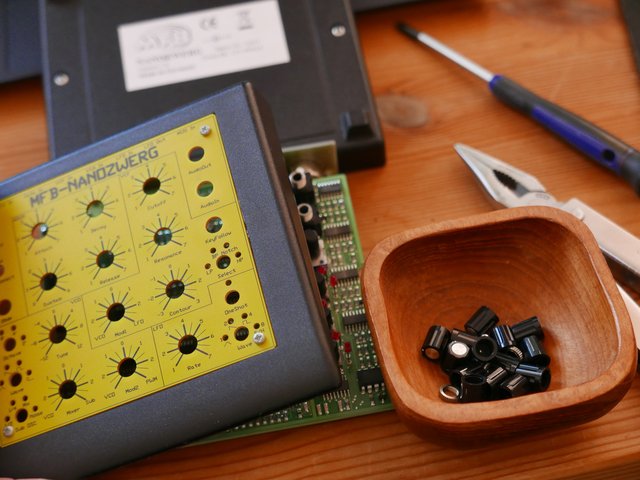
The MFB Nanozwerg is a small Synthesizer from Berlin. Nobody talks about it and it's often overlooked but you can get a really wide range of sounds out of it. I've been using it for acid lines and even thicker sounds thanks to its pulse width modulation. Its MIDI implementation …
It's so easy and fast to print circuit boards using one of the well known factories. I could just upload my files and have it printed in a matter of days. However, I'm not in this project for easy and fast, but I'm also impatient. It's a weird space where I feel like printing a circuit board at home and spending hours preparing it gets me there faster.
To be honest, it makes little sense in this case but I feel drawn to making everything at home. So I looked into …
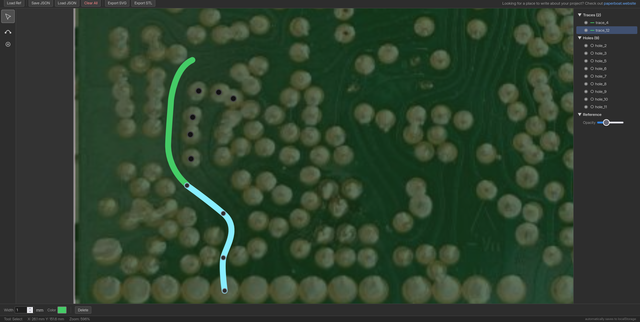
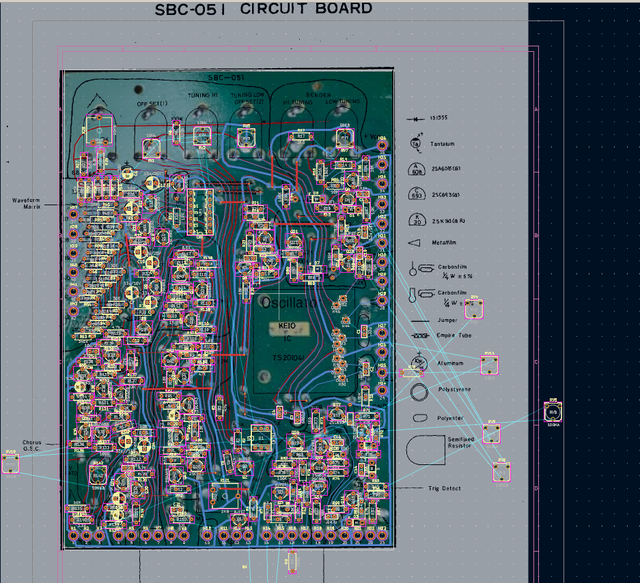
It feels like I'm starting all over again but it's for the best. Before last week, all I had access to were low resolution photos of the circuit boards and the circuit diagram of the synth.
Follow via RSS or paperboat for all my 800DV posts.
Synths were much simpler in the 70s. No chips, only simple resistors, capacitors and transistors. To the point where it’s actually possible to draw and print the circuit boards, populate them with components and hopefully have a working synthesizer.
That’s what I’m doing right now. An invaluable resource have been photos of the back sides of the boards and lots of deep knowledge of …
 Synthesizers